fbpx
Nurture Your Body, Cherish Your Life ®
Free Shipping On Orders Over $60.00
×

Cart

Before bedtime, take the time to apply a facial crème that will work to keep your face hydrated while you sleep.

What to do at bedtime:

  1. Cleanse. Give the extra love to your skin – a good cleanse will rid the oils and impurities that have accumulated during the day.
  2. Tone. Follow with toner to bring you PH balance to a normal level. 
  3. Moisturize. Apply a good quality night cream with a hydrating formula. Skin needs hydration to look fresh and youthful. Night cream will deeply moisturize your skin overnight. Choose a crème with hydrating ingredients such as Provitamin B5 and Vitamin A , which minimize the appearance of fine lines and moisturize your skin at the same time. Hyaluronic acid helps the skin hold onto water that leads to plumper skin cells.  Other ingredients such as Sweet Almond Oil and Avocado Oil deliver important fatty acids.

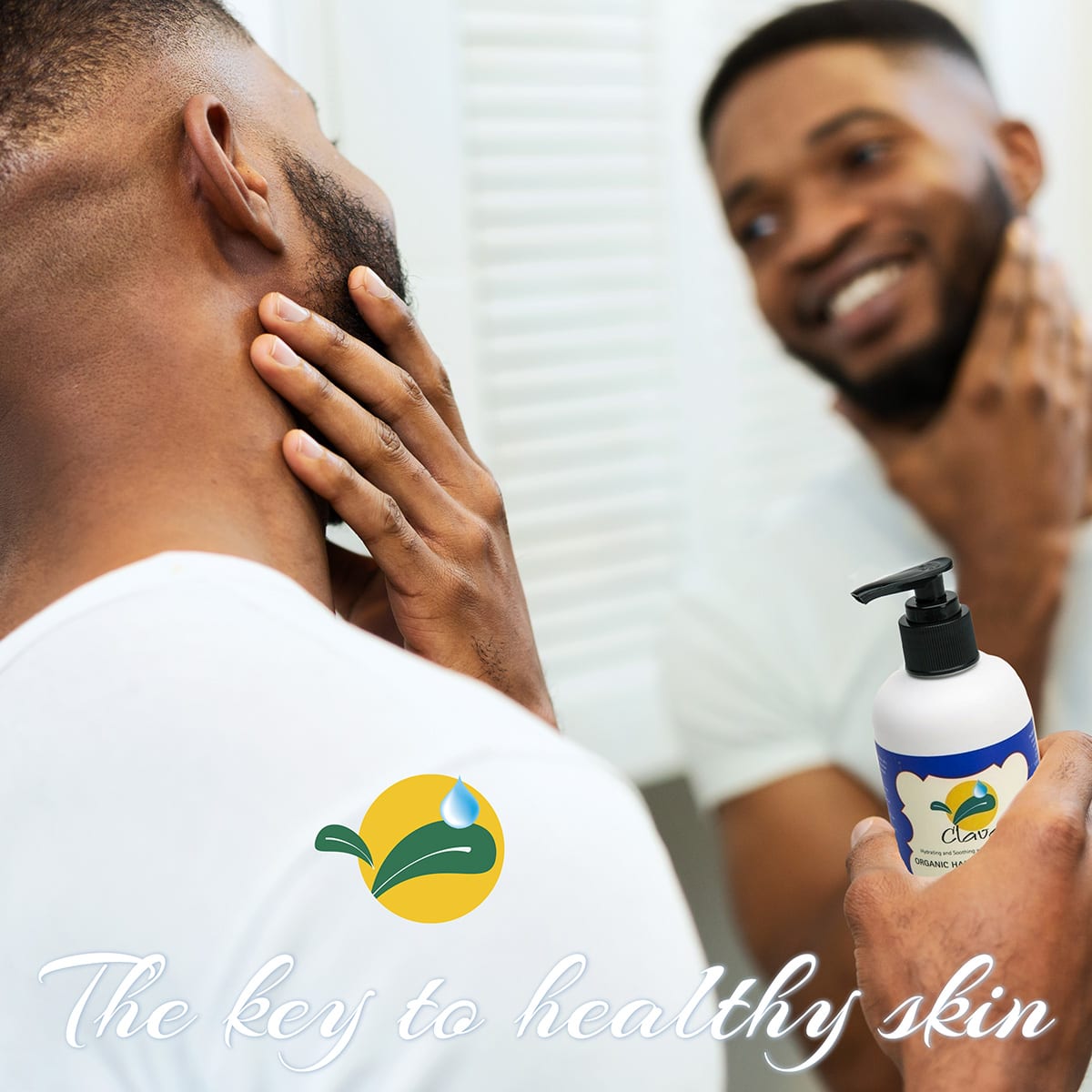
Helpful tip. When you are applying the crème to your face, continue to massage past your chin – as your neck requires the same care as your face.

Other considerations:

Lack of sleep. Sleep deprivation affects collagen growth, skin hydration and skin texture. Collagen is the protein that serves as one of the main building blocks for your skin.  It is responsible for helping your skin keep its volume and elasticity. Lack of collagen results in early signs of aging and sagging skin. Also, if you do not get enough sleep the level of moisture in your skin drops – that leads to a change in skin complexions. Drier skin may develop, or other problems such as outbreak of acne, eczema and psoriasis.

Humidifiers. Use of humidifier is another way to increase moisture in the air to prevent dryness that may be beneficial to health of your skin.  Air without humidity is dryer – which leads to dry skin.

Face masks. Using a facial mask may be beneficial, depending on your skin type and skincare needs. Face masks will provide an extra boost of hydration to your skin, but using it too often may irritate or dry out your skin.

The optimal result is when you stick to your daily routine – Cleanse. Tone. Moisturize.

Recommended Products:


The days have become shorter and finally, we are getting out of the summer heat and into cooler temperatures! And if you’re from Arizona, like us, hallelujah!

You may begin to notice some changes in your skin.  For instance, cold weather may cause your skin to feel dryer than normal – and acne breakouts are more common due to the low level of humidity in the air in which adversely effect our skin.

Protect your lips.

The most affected area is our lips, which tend to peel and crack. Our lips have very thin and sensitive skin. Many people think if they lick their lips that will help the dryness, on the contrary, this makes it worse. Use lip balm or plain petroleum jelly-based products such as Vaseline or Aquaphor ointment.

Cold and dry air depletes moisture form our skin.

Drink water – especially in winter when we don’t have the desire to drink as much water and, also, during physical activity. Set a goal to drink a certain amount of water each day. It could be plain (cold or warm), flavored water, mineral water, coconut water or similar to that nature.  Some food also helps hydration such as soup, grapes or yogurt.

Moisturize!

When you buy moisturizer – be selective. Buy a moisturizer with effective ingredients. Harmful chemicals or artificial fragrance/parfum make your skin even more dry. Moisturizing your skin will help to keep it healthy. But, make sure it contains more plant extracts and other ingredients that are helpful to moisturize your skin, such as Shea Butter, Glycerin, Jojoba oil, Sunflower oil or Olive oil.

Our organic and natural moisturizers are made with plant extract and organic ingredients for both women and men. Visit www.clavebodycare.com/shop.

Colder temperatures mean longer, hot showers.

We love to take a long hot shower in the Fall and Winter – although it might feel great, it can make your skin dry. Hot water may strip your skin from natural oils and protein (keratin) that are needed for healthy skin. Try lukewarm water.

Moisturizing and keeping your skin healthy and hydrated should reduce skin problems. However, if you think the change in your skin is not normal, or it is not getting better with moisturizers and other remedies, you may consider a visit to your dermatologist.

We are surrounded by pollution. Pollution erodes the ozone layer in the upper atmosphere which exposes us to ultraviolet radiation (UV) from the sun. Pollution’s free radicals not only threaten our planet, but these tiny particles penetrate deep through the skin which then cause dehydration and inflammation. Exposure to pollution and UV sunlight will increase dark spots on our skin and make it prone to developing wrinkles.

Moreover, climate has its own impact on our skin. For example, in the Southwest where climate is dry and hot, the environment expedites skin’s premature aging.  Cold climate can make skin dry and brittle.

So, how can YOU protect YOUR skin?
With so many products on the market, it is difficult to pinpoint the ones that will work for your skin type. Plus your skin changes over time due to stress, hormonal fluctuation, water content, medication and age.   

Dry skin:

Having dry skin is common. Tip: Use warm, not hot water, in the shower or bath. Avoid cleansers with alcohol and synthetic fragrance; instead use a rich moisturizer to protect your skin from drying out. Always remember to use sunblock with a higher SPF.

Oily skin:

Your skin naturally produces sebum (skin oil) for protection. Skin feels oily when it is pumping out more sebum than required – happening mostly around the nose, forehead or T section of your face. Tip: Keep your skin clean and wash your face twice a day. Use oil-free foaming cleanser and light moisturizer.

Normal skin:

Your skin tone is fairly even with no visible pores or blemishes and neither oily nor dry. That doesn’t mean you are free from taking care of it! Tip: Wash your face every day to get rid of dead skin and dirt and exfoliate twice weekly.

Sensitive skin:

Sensitive skin is delicate, gets irritated easily and requires tender care. Tip: Use products that contain calming ingredients such as aloe, cucumber, green tea, chamomile, oatmeal and honey.  Wash your face gently with lukewarm water; gently pat dry with clean towel.

Final thought:

Heavy cleansers contain potentially harmful chemicals that could actually make your skin dry and dull. So, before moisturizing or putting on an anti-aging treatment, cleanse your face gently with lower PH (slightly acidic) soap or a gentle cleanser (like Clavé’s Orange Blossom Green Tea Facial Cleaner) with natural ingredients that relax the skin. Wash your face with lukewarm water, pat dry with clean towel.

You might be surprised to find out that there are several ways to apply creams and lotions in order to achieve the result that you are looking for.

Face
First, wash your face with lukewarm water; pat dry with a clean towel. Water washes off dead skin and dirt. Next, apply a small amount of cream to your finger and spread evenly on your face. Gently massage your skin in an upwards motion until the cream is absorbed into the skin. You neither want to tag and pull, nor apply too much pressure. Wait about 10 minutes before you apply makeup.

For the forehead use a gentle circular motion until cream is absorbed into the skin.

Lastly, don’t forget your neck! The skin on your neck is delicate and prone to all of the changes that occur on your face, including wrinkles. Apply cream on your neck in upward motion. 

Eyes
The skin around your eyes is thin and delicate.  Choose an eye cream with the purest and highest quality ingredients.  First, wash the areas around your eyes with warm water. Gently apply pressure with a clean towel to absorb excess water. Next, apply a small amount of eye cream (pea size or less) by using your ring finger only – the muscles in this finger are weaker than other fingers. Most likely you won’t pull or rub too strongly, or apply to much pressure that could damage delicate skin under the eye. Massage from inner (near tear duct, but not too close) to outer corner. Continue dabbing, again from inner to outer corner, until cream is totally absorbed into the skin. Don’t forget to apply cream to your brow bone area located underneath your eyebrows.

Body
Always apply body lotion or body cream after taking a shower or bath – your body will absorb it better. For most people some parts of the body such as hands, elbows and knees require more attention. After you apply lotion or cream, make sure to wait 15 minutes to allow it to absorb fully into your skin before you start to put on clothes. Keep in mind that lotion and cream are both emollients to keep your skin supple and hydrated.  Body cream is heavier than lotion and can be used when your skin is very dry, or to target drier areas.

Remember
It is not the amount of the product you put on your skin but rather the quality of the product. Yes, for organic high-quality creams you pay more but you will achieve far better results.

Exposure to sun and high temperatures can damage skin, giving us premature wrinkles and dry skin.  Keep in mind that we need the sun to allow our skin to manufacture Vitamin D, a main ingredient for strong bones. Fortunately, nature has given us some measure of protection in the form of melanin.  Melanin not only gives the skin its color, but also protects us against Ultraviolet (UV) rays.  However, when our skin is unprotected and sun exposure is greater than melanin can process – sunburn develops.   

In order to protect ourselves against UV, we need take a few simple steps.

Wear Sunscreen. You should wear sunscreen at all times.  Add it to your daily routine! Apply sunscreen with sun protection factor (SPF) of at least 15. But if you are planning outdoor activity, or spending time by the swimming pool, lake or beach, wear SPF of at least 30 or higher.  Apply sunscreen a half hour prior to going out to give enough time for the skin to absorb. Keep re-applying every two hours to maintain protection.  But, always use common sense. When you are wearing sunscreen, it doesn’t mean that you can sit under the sun the whole day.  Sunscreen does not protect you 100% and you will end up with sunburn. To apply a proper amount of sunscreen make sure to read the instruction on the label.

Limit your activity. Don’t hang out in the direct sunlight, or better yet stay indoors between 10 AM and 4 PM when the sun’s ray are the strongest.

Wear protective clothing. Wear the type of clothing that blocks out light – wear light and long-sleeved shirts.  Try to cover up as much of the skin as possible.

Protect your eyes. Sunglasses are a basic tool to protect your eyes and the delicate skin under the eyes, including eye lids and brow bone area. You should continue protecting your eyes not only during summer months, but all year round.  Wraparound sunglasses tend to cover your eyes, as well as the sides, to prevent sunlight from seeping through.  

Wear wide brimmed hat for protection.  It covers your face, side and back of your neck.

Don’t ignore moisturizer. Keep your skin hydrated with rich, high quality lotion that can protect skin from drying.  High quality lotion can trap in moisture and keep skin soft.

And finally, follow the Australian saying “slip, slop, slap!”
SLIP on a shirt, SLOP on sunscreen and SLAP on a hat.