Nurture Your Body, Cherish Your Life ®
Free Shipping On Orders Over $60.00
×

Cart

The days have become shorter and finally, we are getting out of the summer heat and into cooler temperatures! And if you’re from Arizona, like us, hallelujah!

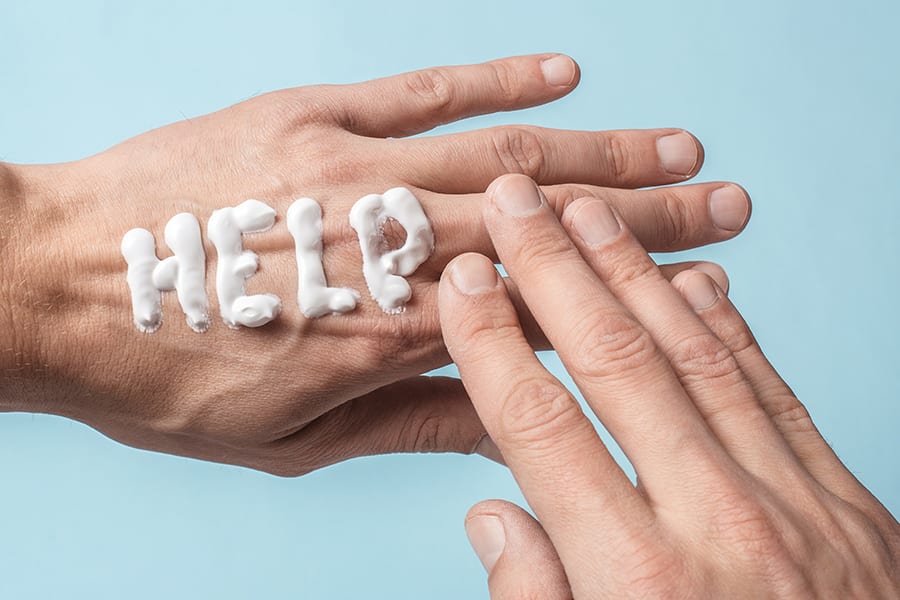
You may begin to notice some changes in your skin.  For instance, cold weather may cause your skin to feel dryer than normal – and acne breakouts are more common due to the low level of humidity in the air in which adversely effect our skin.

Protect your lips.

The most affected area is our lips, which tend to peel and crack. Our lips have very thin and sensitive skin. Many people think if they lick their lips that will help the dryness, on the contrary, this makes it worse. Use lip balm or plain petroleum jelly-based products such as Vaseline or Aquaphor ointment.

Cold and dry air depletes moisture form our skin.

Drink water – especially in winter when we don’t have the desire to drink as much water and, also, during physical activity. Set a goal to drink a certain amount of water each day. It could be plain (cold or warm), flavored water, mineral water, coconut water or similar to that nature.  Some food also helps hydration such as soup, grapes or yogurt.

Moisturize!

When you buy moisturizer – be selective. Buy a moisturizer with effective ingredients. Harmful chemicals or artificial fragrance/parfum make your skin even more dry. Moisturizing your skin will help to keep it healthy. But, make sure it contains more plant extracts and other ingredients that are helpful to moisturize your skin, such as Shea Butter, Glycerin, Jojoba oil, Sunflower oil or Olive oil.

Our organic and natural moisturizers are made with plant extract and organic ingredients for both women and men. Visit www.clavebodycare.com/shop.

Colder temperatures mean longer, hot showers.

We love to take a long hot shower in the Fall and Winter – although it might feel great, it can make your skin dry. Hot water may strip your skin from natural oils and protein (keratin) that are needed for healthy skin. Try lukewarm water.

Moisturizing and keeping your skin healthy and hydrated should reduce skin problems. However, if you think the change in your skin is not normal, or it is not getting better with moisturizers and other remedies, you may consider a visit to your dermatologist.
Vitamin C is a powerhouse ingredient for skin care products. It is a potent, water-soluble antioxidant that protects your skin, making it brighter and smoother. Antioxidants are important because they allow skin to repair itself and get rid of free radicals in the skin. Free radicals are the molecules in the environment that cause damage to our skin which is a leading cause for premature signs of aging. (See blog: https://www.clavebodycare.com/your-environment-and-your-skin).

Vitamin C also stimulates collagen production, a naturally occurring protein found in our body which is partially responsible for skin strength and elasticity. As we age our body makes less and less collagen. Using vitamin C can improves skin elasticity and slow down signs of skin aging.

What level of Vitamin C is beneficial for your skin? 

Skin care manufacturers use different levels of vitamin C concentration in their products. It all depends on your type of skin. For example, if you have dry and sensitive skin, you’ll probably want to go with a lower level of concentration. The level of concentration varies from low level (5% to 10% for dry skin) to high level of concentration (20% to 25% for oily skin).

In order to get an idea regarding the concentration of ingredients, it is important to read the list of ingredients on the package. Ingredients closer to the top of the list have higher levels of concentration.

General rule of thumb: Vitamin C is least stable. It is prone to oxidation when exposed to heat or light. Although it is difficult to stop the process, you can take a few steps to delay the process. Keep products in a cool, dry place that is out of direct sun, such as cabinet or drawer. Close container tightly after use.

We are surrounded by pollution. Pollution erodes the ozone layer in the upper atmosphere which exposes us to ultraviolet radiation (UV) from the sun. Pollution’s free radicals not only threaten our planet, but these tiny particles penetrate deep through the skin which then cause dehydration and inflammation. Exposure to pollution and UV sunlight will increase dark spots on our skin and make it prone to developing wrinkles.

Moreover, climate has its own impact on our skin. For example, in the Southwest where climate is dry and hot, the environment expedites skin’s premature aging.  Cold climate can make skin dry and brittle.

So, how can YOU protect YOUR skin?
With so many products on the market, it is difficult to pinpoint the ones that will work for your skin type. Plus your skin changes over time due to stress, hormonal fluctuation, water content, medication and age.   

Dry skin:

Having dry skin is common. Tip: Use warm, not hot water, in the shower or bath. Avoid cleansers with alcohol and synthetic fragrance; instead use a rich moisturizer to protect your skin from drying out. Always remember to use sunblock with a higher SPF.

Oily skin:

Your skin naturally produces sebum (skin oil) for protection. Skin feels oily when it is pumping out more sebum than required – happening mostly around the nose, forehead or T section of your face. Tip: Keep your skin clean and wash your face twice a day. Use oil-free foaming cleanser and light moisturizer.

Normal skin:

Your skin tone is fairly even with no visible pores or blemishes and neither oily nor dry. That doesn’t mean you are free from taking care of it! Tip: Wash your face every day to get rid of dead skin and dirt and exfoliate twice weekly.

Sensitive skin:

Sensitive skin is delicate, gets irritated easily and requires tender care. Tip: Use products that contain calming ingredients such as aloe, cucumber, green tea, chamomile, oatmeal and honey.  Wash your face gently with lukewarm water; gently pat dry with clean towel.

Final thought:

Heavy cleansers contain potentially harmful chemicals that could actually make your skin dry and dull. So, before moisturizing or putting on an anti-aging treatment, cleanse your face gently with lower PH (slightly acidic) soap or a gentle cleanser (like Clavé’s Orange Blossom Green Tea Facial Cleaner) with natural ingredients that relax the skin. Wash your face with lukewarm water, pat dry with clean towel.

You might be surprised to find out that there are several ways to apply creams and lotions in order to achieve the result that you are looking for.

Face
First, wash your face with lukewarm water; pat dry with a clean towel. Water washes off dead skin and dirt. Next, apply a small amount of cream to your finger and spread evenly on your face. Gently massage your skin in an upwards motion until the cream is absorbed into the skin. You neither want to tag and pull, nor apply too much pressure. Wait about 10 minutes before you apply makeup.

For the forehead use a gentle circular motion until cream is absorbed into the skin.

Lastly, don’t forget your neck! The skin on your neck is delicate and prone to all of the changes that occur on your face, including wrinkles. Apply cream on your neck in upward motion. 

Eyes
The skin around your eyes is thin and delicate.  Choose an eye cream with the purest and highest quality ingredients.  First, wash the areas around your eyes with warm water. Gently apply pressure with a clean towel to absorb excess water. Next, apply a small amount of eye cream (pea size or less) by using your ring finger only – the muscles in this finger are weaker than other fingers. Most likely you won’t pull or rub too strongly, or apply to much pressure that could damage delicate skin under the eye. Massage from inner (near tear duct, but not too close) to outer corner. Continue dabbing, again from inner to outer corner, until cream is totally absorbed into the skin. Don’t forget to apply cream to your brow bone area located underneath your eyebrows.

Body
Always apply body lotion or body cream after taking a shower or bath – your body will absorb it better. For most people some parts of the body such as hands, elbows and knees require more attention. After you apply lotion or cream, make sure to wait 15 minutes to allow it to absorb fully into your skin before you start to put on clothes. Keep in mind that lotion and cream are both emollients to keep your skin supple and hydrated.  Body cream is heavier than lotion and can be used when your skin is very dry, or to target drier areas.

Remember
It is not the amount of the product you put on your skin but rather the quality of the product. Yes, for organic high-quality creams you pay more but you will achieve far better results.

Discoloration of skin under the eyes, also known as a dark circles, feels unattractive. But the good news is that the condition is not a serious skin problem. Some dermatologists believe those dark circles are genes-related.  However, there are other reasons for dark circles such as long working hours – especially in front of a computer – sleeping on your side or stomach, stress, smoking and lack of sleep.

Some remedies, such as high-quality eye crèmes, natural remedies or dermatological procedures are of great help if you follow it on a regular basis. Do not sweep the dirt under the rug by covering it up with makeup.  Makeup makes your eyes more irritated. Moreover, if you have a habit of rubbing your eyes, stop it.  The skin under your eyes is very sensitive and by rubbing it you may damage the skin and irritate tiny capillaries under your eyes.

Here are a few simple and easy natural home remedies. Before starting any procedure, don’t forget to remove eyeliner and/or mascara.

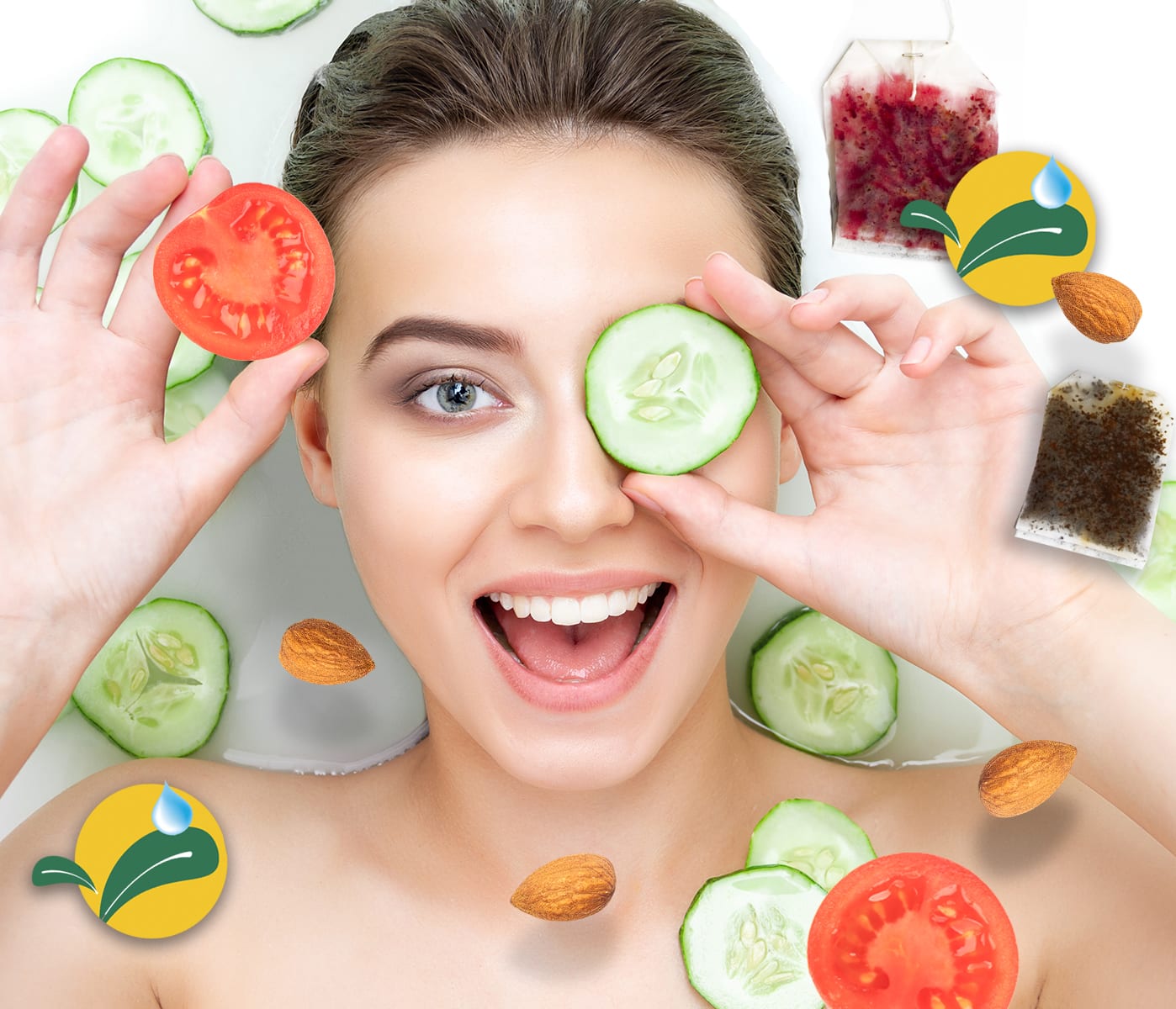
  1. Cucumber – Freshly sliced cucumber benefits skin lightening and is considered a great toner and astringent to help reduce dark circle and puffiness.  Also, it can provide instant cooling relief which causes the skin around the eyes to relax. Place one freshly sliced cucumber on each eyelid for 10-15 minutes, rinse your face with cool water. About 95% of cucumber is water and loaded with silica and antioxidants making it the best way to hydrate, reduce irritation and make the skin around the eyes firmer.  
  • Cold Tea Bags – Boil two tea bags (black or herbal) in water. Then cool them in fridge to add a cooling effect for the eyes.  Lie down and place the tea bag on each closed eye for about 10 minutes.  Rinse off with cold water and pat dry with clean towel.
  • Raw Potato – Potato has natural bleaching properties that help make dark circles lighter and remove puffiness. You can do it in a couple of ways – slice a chilled potato about half an inch thick and place one slice on each eyelid for 10 minutes or you can also grate a small potato and then extract the juice. Take a cotton ball, dip it in the potato juice and gently apply it on the affected area under the eyes. Let it sit for 10 minutes. Rinse off with cold water and pat dry with clean towel.
  • Tomato – Tomatoes contain Lycopene a substance that decreases the appearance of dark circles under eye.  Mix equivalent amounts of tomato juice with lemon juice (one tablespoon of each).  Take a cotton ball, dip in mixture and gently apply on the affected area under the eyes (DO NOT get lemon juice in your eye).  Let it sit for 10 minutes. Rinse it off with cold water and pat dry with clean towel. A Word of Caution: During this treatment, avoid going outside, for some people combination of lemon juice and sunlight do not mix very well on the skin.
  • Almond oil – It is natural moisturizer and anti-inflammatory.  Put a drop or two of almond oil on the tip of your ring finger then rub your fingers together to warm the oil. Rub very gently on dark areas under your eyes in order to cover affected areas, then dab with the same finger until almond oil is absorbed.  For the best result, do it before going to bed.

Hair is not as simple as it looks. It has rather a complex structure made of a tough protein called keratin. A hair follicle anchors each hair into the skin. On average hair grows half to one inch per month.

Aside from ethnicity, the simplest way to describe how we get our natural color of hair is the type of pigments that we get from our parents. In a nutshell hair has two types of pigment – eumelanin (black and brown) and pheomelanis (orange and yellow). These two pigments are responsible for the color of hair. If eumelanin is the predominant pigment, the color of hair is darker or black. And, if pheomelanis is dominant or an individual has a combination of eumelanin and pheomelanis the color of hair is lighter – blond or auburn.

Your hair texture and shape (straight or curly) is also genes related. In order for your hair to maintain its strength, shine and luster it is imperative to choose a shampoo and conditioner that corresponds to your hair type.

Don’t over-wash your hair. Over-washing will dry out your hair. Shampoo is an emulsifier and its purpose is to strip hair from dirt and excess oil.  If your hair is dry, you only need to wash it every three or four days. For oily and fine hair you may need to wash every other day. But for normal hair, it boils down to your preference and lifestyle. Massage your scalp with the tip of your fingers to stimulate blood flow to you hair follicles. This important practice makes your hair stronger and healthier.

Brushing in moderation is necessary for healthy hair. It is a good idea to brush your hair gently without pulling it. This will help to untangle your hair and spread its natural oil (sebum) evenly throughout your hair.

In order to keep your hair healthy you should trim it regularly, every six to seven weeks to get rid of split ends.

Lastly, keep in mind that for healthy hair you have to take a few extra steps:

  • Keep yourself hydrated.
  • Eat healthy food rich in vitamins and nutrients.
  • Reduce your level of stress
  • Get daily exercise,  a simple walk in the park or yoga will help.
  • Wash your hair with warm, not hot water.
  • If you need to use a hair dryer, set the temperature to warm or cold, not hot. Hair doesn’t like too much heat. The best method is to let it dry naturally.

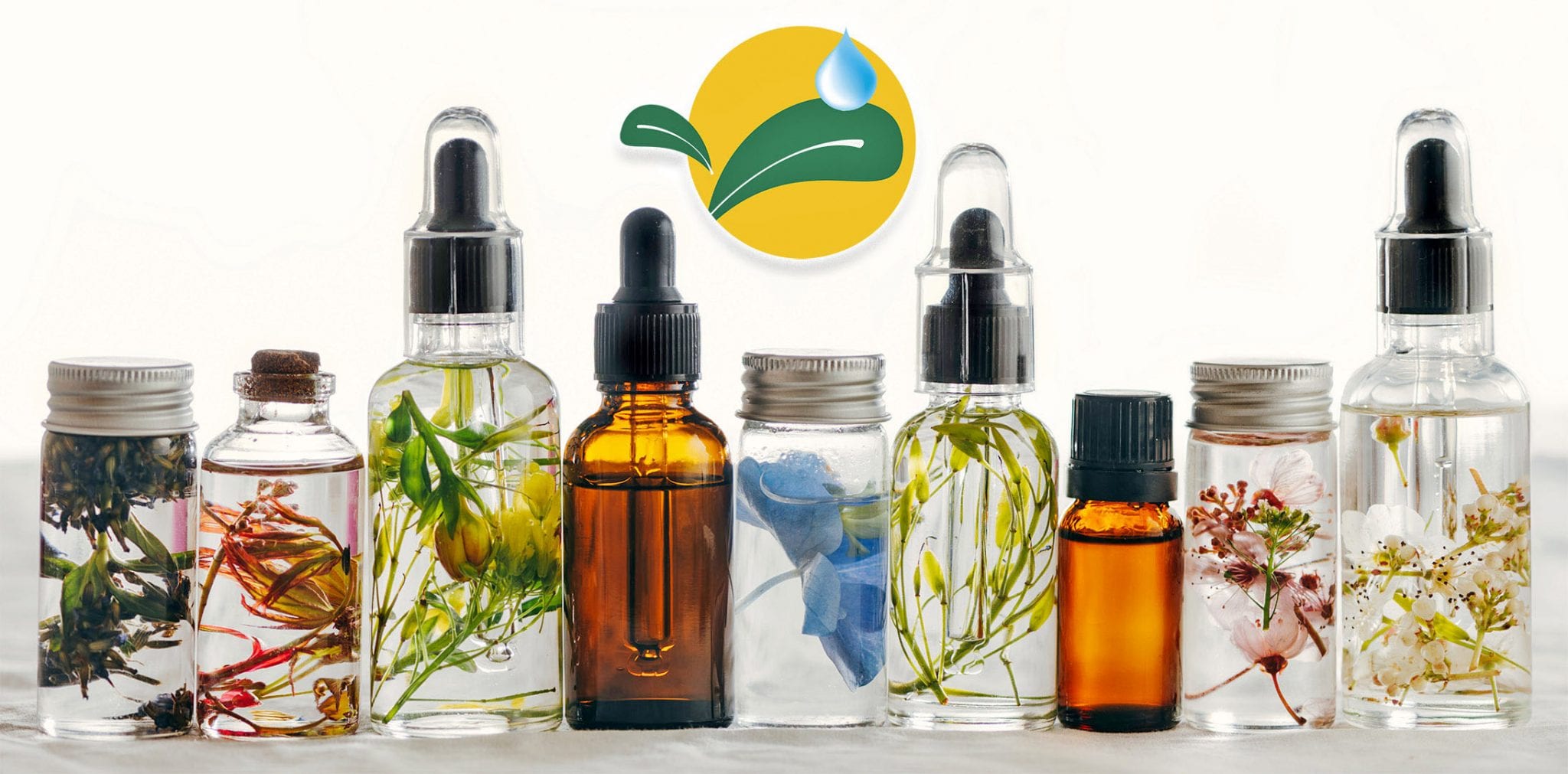
What is an essential oil?  According to Wikipedia, an essential oil is concentrated hydrophobic liquid containing volatile aroma compounds from plants.  In recent years Essential oils have received more attention than any other ingredient in skin care products – all due to customer demand. Simply put, people like botanically sourced ingredients for their skin that are made by nature, not in laboratories.  Of course, we try to avoid the use of synthetic ingredients that are not only friendly to our skin but to some extent harmful.  Keep in mind that essential oils are super-concentrated and they are not really oil – they are free from fatty acids.  Essential oils are highly aromatic, evaporate easily and do not clog skin pores. Essential oils contain antioxidant and antimicrobial properties, plus they contain other benefits such as an increase in focus, minimize stress and improve concentration. 

Essential oils are a natural substance extracted from different parts of the plant such as flowers, stems, bark, leaves, and roots through distillation which is known as steaming. Moat citrus peels and rinds are extracted through a process known as “cold press” also known as “expression.”  This method is used for citrus fruits, such as lemon, orange, tangerine, etc. There are great number of essential oils used in skin care products, each with unique characteristics and properties.  Remember that pure essential oils have all the benefits, but synthetic fragrance oils are made in laboratories at the fraction of the cost and mostly driven from coal tar.  They resemble pure essential oils but lack the benefits.

So, when you buy skin care products, act like you are buying food and READ THE LABEL.  Avoid perfumes; these are synthetic fragrances based on alcohol which dry your skin very quickly.  Also, avoid artificial colors. The majority of essential oils are pale or light yellow. Essential oils in skin care products are aimed to nourish your skin, and help to regenerate and rejuvenate skin. In a nutshell they can deliver remarkable results.

At Clavé Body Care, we are using a variety of pure essential oils and seeds oils, not synthetic perfumes/fragrances or colors.  Below are a few that we adding to our products with brief benefits. Shop now at www.clavebodycare.com/shop.

Lemon – antioxidant, calming, antifungal, tone the skin and has pleasant aroma

Peppermint – soothing the skin, cooling muscle pain, induce sweating

Lavender – mood enhancer, reduce stress, regenerate skin cells

Jojoba – contain a superb moisturizing property that makes skin supple and silky and nourishes skin

Chamomile – Anti-inflammatory and it is good for itchy and flaky skin conditions

Tea Tree – natural preservative, improve skin’s clarity and it has soothing properties

Exposure to sun and high temperatures can damage skin, giving us premature wrinkles and dry skin.  Keep in mind that we need the sun to allow our skin to manufacture Vitamin D, a main ingredient for strong bones. Fortunately, nature has given us some measure of protection in the form of melanin.  Melanin not only gives the skin its color, but also protects us against Ultraviolet (UV) rays.  However, when our skin is unprotected and sun exposure is greater than melanin can process – sunburn develops.   

In order to protect ourselves against UV, we need take a few simple steps.

Wear Sunscreen. You should wear sunscreen at all times.  Add it to your daily routine! Apply sunscreen with sun protection factor (SPF) of at least 15. But if you are planning outdoor activity, or spending time by the swimming pool, lake or beach, wear SPF of at least 30 or higher.  Apply sunscreen a half hour prior to going out to give enough time for the skin to absorb. Keep re-applying every two hours to maintain protection.  But, always use common sense. When you are wearing sunscreen, it doesn’t mean that you can sit under the sun the whole day.  Sunscreen does not protect you 100% and you will end up with sunburn. To apply a proper amount of sunscreen make sure to read the instruction on the label.

Limit your activity. Don’t hang out in the direct sunlight, or better yet stay indoors between 10 AM and 4 PM when the sun’s ray are the strongest.

Wear protective clothing. Wear the type of clothing that blocks out light – wear light and long-sleeved shirts.  Try to cover up as much of the skin as possible.

Protect your eyes. Sunglasses are a basic tool to protect your eyes and the delicate skin under the eyes, including eye lids and brow bone area. You should continue protecting your eyes not only during summer months, but all year round.  Wraparound sunglasses tend to cover your eyes, as well as the sides, to prevent sunlight from seeping through.  

Wear wide brimmed hat for protection.  It covers your face, side and back of your neck.

Don’t ignore moisturizer. Keep your skin hydrated with rich, high quality lotion that can protect skin from drying.  High quality lotion can trap in moisture and keep skin soft.

And finally, follow the Australian saying “slip, slop, slap!”
SLIP on a shirt, SLOP on sunscreen and SLAP on a hat.

Keep yourself hydrated by drinking plenty of water all year round. Skin is the largest organ. Adults carry about 20 square feet of it.  Skin acts as a barrier that shields our body from bacteria and excessive water loss.  Skin also maintains the body’s temperature – keeping the body cool during the summer and warm during the winter months. Broken skin will drop a body’s resistance against bacteria and possible infection. So, our obligation is to keep our skin healthy and hydrated. If we ignore our skin, it dries up and is prone to cracks which will make us susceptible to infection or irritation. 

Stop smoking! What does smoking have to do with healthy skin? A lot! Aside from major life-threatening health issues, such as increased risk of lung cancer, smoking affects your appearance by expediting premature wrinkles. Wrinkles can add a few years to your look. With time, smoking depletes collagen in skin.  Collagen is a protein that provides strength and prevents sagging. Nicotine also causes discoloration of skin by contracting the blood vessels which result in the depletion of oxygen from blood.

Reduce sun exposure. Apply sunscreen with the minimum of SPF 15.  We all enjoy the sun and would like to absorb all the sun rays we are able to.  But, we need to be careful; too much exposure to the sun’s ultraviolet rays comes with consequences such as damaging elastin in the skin. Elastin is one of the proteins in skin that keeps it flexible and tight. Break down of elastin causes our skin to sag and prevents skin from snapping back to its shape after stretching.

Other tips to keep your skin healthy:

  • Control stress
  • Treat your skin gently by moisturizing daily and avoid strong soaps
  • Pursue a healthy diet

[cs_content][cs_element_section _id=”1″ ][cs_element_row _id=”2″ ][cs_element_column _id=”3″ ] [/cs_element_column][/cs_element_row][/cs_element_section][cs_element_section _id=”4″ ][/cs_element_section][cs_element_section _id=”5″ ][cs_element_row _id=”6″ ][cs_element_column _id=”7″ ][cs_text]

September 23, 2019 – With all the harsh elements surrounding us daily, how do we ensure we are taking care of our skin properly, and are organic skincare products the right way to go? The question is, can we protect ourselves? The answer is yes, to some extent. Healthy eating, frequent exercise, and watching what we put on our skin, can go a long way in protecting us from harsh elements.

You can start by reading product labels as you do for food labels. Look for ingredients that are plant originated, not synthesized in laboratories. Most mainstream skincare products are packed with mineral oils, synthetic colors, perfumes, and harsh preservatives that are not nurturing, rejuvenating, or healing to the skin. There are also products that may contain ingredients that were produced in a laboratory, but are natural or at least almost natural. These ingredients are normally approved and certified by the Natural Product Association (NPA).

So, why choose organic skincare products? In a nutshell, they are toxin free and do not contain harsh chemicals, detergents, or preservatives that can harm your body and your skin. Opt for these, even if they do cost a little extra, see it as an investment in your skin. Remember that using organic skincare products should not be considered a luxury but rather a necessity for your wellbeing. 

[/cs_text][/cs_element_column][/cs_element_row][/cs_element_section][/cs_content]