Nurture Your Body, Cherish Your Life ®
Free Shipping On Orders Over $60.00
×

Cart

With so many skincare options out there, it can be confusing and frustrating trying to figure out what’s really good for you and what you should avoid. We’re here to help you find the best natural ingredients for your skincare routine and avoid all the clutter and jargon out there about what’s best for your skin. 

Here are just some of our recommendations for natural ingredients you should look for in your skincare:

Oatmeal: Oatmeal is known for its anti-inflammatory properties and relief from eczema. Specifically, colloidal oatmeal is “gentle and safe” for the skin. 

Coconut oil: Did you know that extra virgin coconut oil suppresses some of the body’s natural inflammatory agents while making the skin a better barrier? Just be sure not to place coconut oil on any areas that are prone to blemishes because it may worsen acne.

Shea butter: You’ve probably seen this ingredient in moisturizers, and there’s a reason why! Shea butter is great for hydrating the skin thanks to the fatty acids it contains. 

Green tea: Green tea is great for its sun protection and anti-aging qualities! When shopping for sunscreen, in particular, look out for green tea as an ingredient.

Tea tree oil: Tea tree oil is a great natural component that will help fight blemishes! Derived from tea tree leaves, this component has anti-inflammatory and antimicrobial properties that you’ll want in your skincare.

Soy: Soy is known to prevent pigmentation and improve collagen production. It also produces estrogen that helps address skin conditions related to menopause.

Jojoba oil: Jojoba oil is known for being incredibly moisturizing. In fact, it can help treat a variety of skin conditions such as burns, sores, scars, dermatitis, acne psoriasis, and wrinkles.

Almond oil: Did you know that almond oil has anti-inflammatory, antiviral, antibacterial, and antiseptic properties? You may have seen almond oil listed as an ingredient in a serum – and you’ll definitely want to keep looking for it!

Castor oil: You’ll often find this ingredient in a facial cleanser. Castor oil is a “drying oil” that helps reduce bacteria that can contribute to breakouts and dull skin.

Vitamin C extract: This ingredient acts as an anti-aging antioxidant. You’ll often find this ingredient in serums and moisturizers designed to brighten the skin!

Here at Clave Body Care, you don’t have to worry about harmful ingredients or chemicals coming in contact with your skin, because we offer hand and body lotions, foot crème, body washes, and massage oil made from ingredients that you can trust! Your skin should be cherished and nurtured, that’s why we believe in formulating our products from our best source- nature!

Looking for your next favorite skincare product? Be sure to visit our website to see what we have to offer! 

 

This past week, we celebrated Earth Day which is a wonderful reminder of just how precious and beautiful our Earth is and why it’s so important to take care of it. Earth Day (and every day) is a day to celebrate nature and promote education on how we can better take care of the planet.

When it comes to skincare, we believe that nature is our best resource and has so much to offer! Using natural, quality ingredients in our skincare that are rich in amino acids, healing, and restorative properties, and that produce hydration is what makes our products effective and safe to use.

Let’s take a look at some other benefits of implementing natural ingredients in skincare and why it matters!

Helping the environment
Not only do natural, organic skincare products benefit your skin, but they also benefit the environment! Skincare products that contain harmful chemicals and toxins (like sprays and perfumes) are very harmful to our environment and release into the atmosphere.

Improves skin and overall health
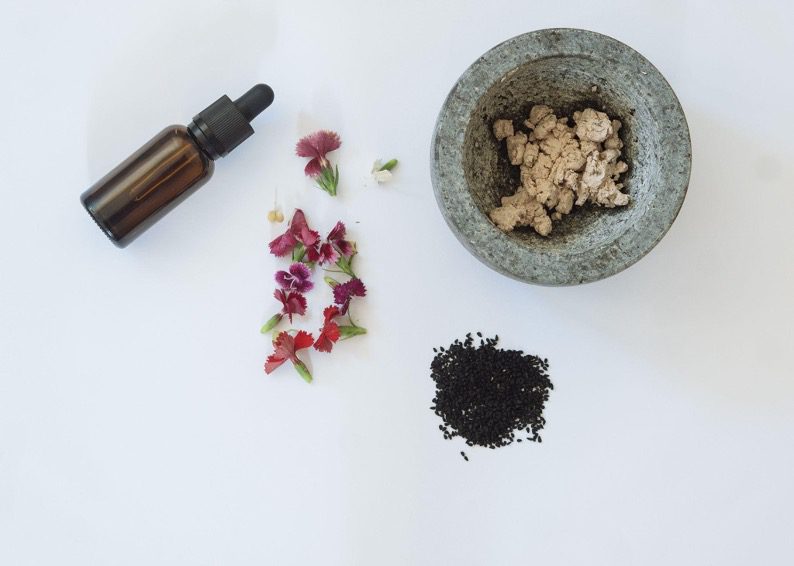
It comes without saying that using natural products in our skincare is actually more effective when it comes to the appearance and health of your skin. Industrial skincare products that contain synthetic ingredients and harsh chemicals may provide a “quick fix” for your skin, but in the long run, they will cause a lot of harm and can permanently damage your skin. Investing in skincare with real, natural ingredients works in tandem with your body and will help protect your skin in the long run. For example, ingredients like lavender, chamomile, and aloe vera are well known for producing calming, moisturized, and nourished skin. Some flower and fruit extract like rose water, lemon peel extract, and cranberry fruit extract all contain vitamins and minerals that help promote skin cell growth, hydrate, and help prevent wrinkles.

Cruelty-free
According to PETA, many beauty industries conduct animal testing in order to test and make their beauty products. Unfortunately, this is something that is practiced all over the world. As we are reminded by the celebration of Earth Day, we are charged to take care of nature and the animals that thrive in it. Using skincare products with organic, natural ingredients, be rest assured that you are using cruelty-free products because they are safe and harmless!

Clavé’s mission
Here at Clavé, we cherish our planet and the ingredients it produces. Our mission is to harness nature’s gift by using it to produce healthy, natural skincare products just for you so that you can live a more nourished and nurtured life. We make our products with quality ingredients with the highest potency that makes them effective, safe, and refreshing! Read more about us on our page and shop all of your favorite body, hair, and face products!


Self-care is an important step in reducing stress and improving overall wellbeing. It also impacts
skin health, and that’s why we’re sharing healthy skin care practices you can use to enhance
your self-care routine for better skin. After all, who wouldn’t want healthier and more youthful-
looking skin?


In addition to a daily skin care routine that includes cleansing, toning, and moisturizing, there
are other things you can do that will benefit your skin. When you take care of your skin, it
shows – so it’s important to maintain a consistent routine for smoother and healthier skin.


Wash, rinse, repeat


Keeping your skin healthy and firm is a daily task. You can boost your efforts by making small
adjustments to your skin care regimen and environment. The following practices can help
clarify and rejuvenate your skin:


Use warm water to wash your face. The next time you reach for the facial cleanser, make sure
to splash your face with warm water instead of hot water. Warm water is gentler on the skin
and ideal for all skin types because it maintains moisture, whereas hot water washes away the
skin’s natural oils, leaving it dry afterward. Plus, warm water helps your skin absorb topical
treatments
and reduces pore size.


Swap your regular pillowcase for a silk pillowcase. It’s called “beauty sleep” for a reason. The
smooth surface of silk is better for your skin because it doesn’t draw moisture from it,
preventing irritation while keeping your skin hydrated. Also, the silky texture is gentler and
more sanitary than cotton pillowcases, helping to reduce the appearance of wrinkles and
blemishes.


Put a humidifier in your bedroom. Let a humidifier do the work of balancing moisture in the air
to help your skin retain its moisture barrier while you sleep. You’ll notice your skin is less dry,
red, and prone to cracks or damage. Adding a humidifier to your room is especially beneficial in
winter months to combat the dehydrating effects of heating systems which circulate dry air.


Reduce your stress levels. Stress takes a toll on the body and affects your skin. In some cases,
the effects of stress can lead to skin breakouts (most common), rashes, or hives – especially for
individuals with sensitive skin. Also, stress disrupts the function of your skin barrier, increasing
sensitivity. You can minimize these effects with techniques to reduce stress such as taking a
walk, listening to soft music, or deep breathing exercises.


Another thing to consider is trying different skin care products for better results. Clave Body
Care offers high-quality, organic products to nurture your skin. Our skin care line is cruelty-free
and all-natural, without harmful ingredients like artificial fragrances and dyes, parabens, glycols
and phthalates.


So, if you’re struggling with dry or irritated skin, then adjust your skin care regimen and try
these techniques for healthier skin. You’ll see and feel the difference in your skin. Please
contact us to find out how our natural body care products can improve your skin health!

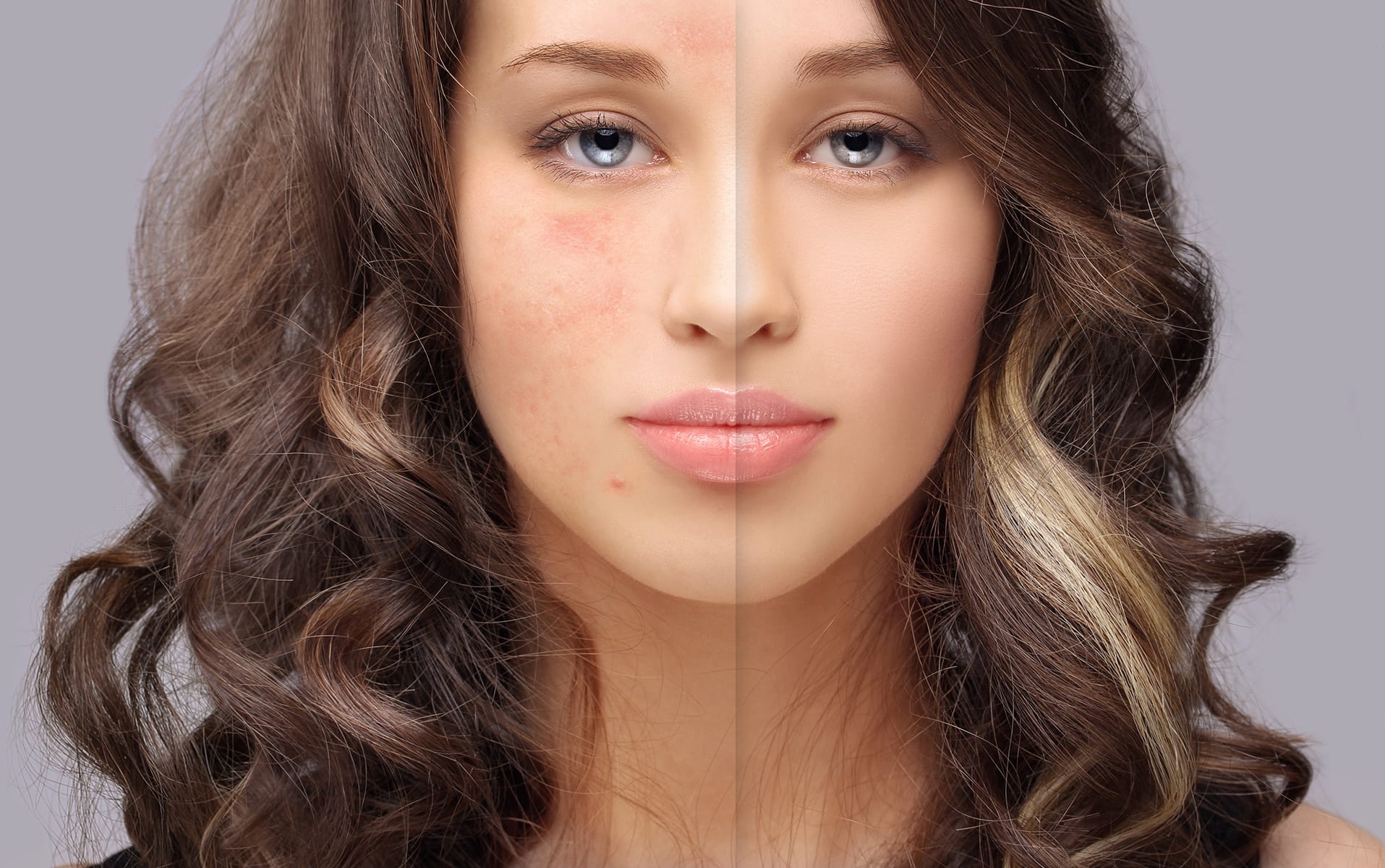
Perhaps you’ve noticed acne, rosacea or age spots on your face? You are not alone. These problems may be genetic or related to other factors such as lifestyle, hormones, age, stress, environmental irritants and/or allergies.  

But what can you do?

Acne

This is the most common type of skin problem, affecting both teenagers and adults. Acne is an inflammatory skin condition caused by excess oil and dead skin cells that clog pores. Can the problem be preventable? To some extent.

  1. Clean your face with a quality cleanser and facial toner before going to bed.  If your skin is dry use alcohol free toner. This routine will open pores and let skin breath. [Try Clavé Body Care Facial Cleanser and Toner at www.clavebodycare.com/shop]
  2. Never go to bed with makeup on.
  3. Avoid skincare products that contain oils that will further clog pores.
  4. Use skincare products free from harsh chemicals or perfume that irritate skin.

Age spots

Also known as liver spots or sun spots, this condition appears in the areas that have been exposed to the sun the most, such as face, neck and hands. It is a common condition in adults 50 and older. Natural skincare products with vitamin E or C, aloe vera gel, olive oil or skincare products that contain ingredients with antioxidant properties can help to lighten or reduce age spots.

Rosacea

This is a common skin condition that produces tiny, pus-filled bumps that cause redness, itching and dry patches on the face. The exact cause of rosacea is unknown, but it is common among middle aged women with light skin. However, the problem may also be genetic or triggered by environmental factors such as sunlight, hot temperatures, stress, alcohol and even spicy foods. There is not a cure for rosacea, but you can keep it under control. The best solution is to visit your dermatologist. They will prescribe a treatment depending on the severity of the problem.

Sunburn

Most of us have experienced sunburn. It appears when the skin is exposed to the sun for a long period of time without protection from the sun’s ultraviolet (UV) light. Skin gets red and feels tight due to loss of moisture. It’s painful, your skin feels hot, then it’s itchy and you peel. Another negative – it increases your chance of skin cancer.

What should you do if you get sunburn? 

  1. Hydrate – drink plenty of water.
  2. Try to keep your skin cool – take cold showers.
  3. According to American Academy of Dermatology use moisturizer with aloe vera to soothe skin or you may apply a hydrocortisone cream.
  4. Avoid sun as much as possible to allow skin to repair itself.

The days have become shorter and finally, we are getting out of the summer heat and into cooler temperatures! And if you’re from Arizona, like us, hallelujah!

You may begin to notice some changes in your skin.  For instance, cold weather may cause your skin to feel dryer than normal – and acne breakouts are more common due to the low level of humidity in the air in which adversely effect our skin.

Protect your lips.

The most affected area is our lips, which tend to peel and crack. Our lips have very thin and sensitive skin. Many people think if they lick their lips that will help the dryness, on the contrary, this makes it worse. Use lip balm or plain petroleum jelly-based products such as Vaseline or Aquaphor ointment.

Cold and dry air depletes moisture form our skin.

Drink water – especially in winter when we don’t have the desire to drink as much water and, also, during physical activity. Set a goal to drink a certain amount of water each day. It could be plain (cold or warm), flavored water, mineral water, coconut water or similar to that nature.  Some food also helps hydration such as soup, grapes or yogurt.

Moisturize!

When you buy moisturizer – be selective. Buy a moisturizer with effective ingredients. Harmful chemicals or artificial fragrance/parfum make your skin even more dry. Moisturizing your skin will help to keep it healthy. But, make sure it contains more plant extracts and other ingredients that are helpful to moisturize your skin, such as Shea Butter, Glycerin, Jojoba oil, Sunflower oil or Olive oil.

Our organic and natural moisturizers are made with plant extract and organic ingredients for both women and men. Visit www.clavebodycare.com/shop.

Colder temperatures mean longer, hot showers.

We love to take a long hot shower in the Fall and Winter – although it might feel great, it can make your skin dry. Hot water may strip your skin from natural oils and protein (keratin) that are needed for healthy skin. Try lukewarm water.

Moisturizing and keeping your skin healthy and hydrated should reduce skin problems. However, if you think the change in your skin is not normal, or it is not getting better with moisturizers and other remedies, you may consider a visit to your dermatologist.

We are surrounded by pollution. Pollution erodes the ozone layer in the upper atmosphere which exposes us to ultraviolet radiation (UV) from the sun. Pollution’s free radicals not only threaten our planet, but these tiny particles penetrate deep through the skin which then cause dehydration and inflammation. Exposure to pollution and UV sunlight will increase dark spots on our skin and make it prone to developing wrinkles.

Moreover, climate has its own impact on our skin. For example, in the Southwest where climate is dry and hot, the environment expedites skin’s premature aging.  Cold climate can make skin dry and brittle.

So, how can YOU protect YOUR skin?
With so many products on the market, it is difficult to pinpoint the ones that will work for your skin type. Plus your skin changes over time due to stress, hormonal fluctuation, water content, medication and age.   

Dry skin:

Having dry skin is common. Tip: Use warm, not hot water, in the shower or bath. Avoid cleansers with alcohol and synthetic fragrance; instead use a rich moisturizer to protect your skin from drying out. Always remember to use sunblock with a higher SPF.

Oily skin:

Your skin naturally produces sebum (skin oil) for protection. Skin feels oily when it is pumping out more sebum than required – happening mostly around the nose, forehead or T section of your face. Tip: Keep your skin clean and wash your face twice a day. Use oil-free foaming cleanser and light moisturizer.

Normal skin:

Your skin tone is fairly even with no visible pores or blemishes and neither oily nor dry. That doesn’t mean you are free from taking care of it! Tip: Wash your face every day to get rid of dead skin and dirt and exfoliate twice weekly.

Sensitive skin:

Sensitive skin is delicate, gets irritated easily and requires tender care. Tip: Use products that contain calming ingredients such as aloe, cucumber, green tea, chamomile, oatmeal and honey.  Wash your face gently with lukewarm water; gently pat dry with clean towel.

Final thought:

Heavy cleansers contain potentially harmful chemicals that could actually make your skin dry and dull. So, before moisturizing or putting on an anti-aging treatment, cleanse your face gently with lower PH (slightly acidic) soap or a gentle cleanser (like Clavé’s Orange Blossom Green Tea Facial Cleaner) with natural ingredients that relax the skin. Wash your face with lukewarm water, pat dry with clean towel.

You might be surprised to find out that there are several ways to apply creams and lotions in order to achieve the result that you are looking for.

Face
First, wash your face with lukewarm water; pat dry with a clean towel. Water washes off dead skin and dirt. Next, apply a small amount of cream to your finger and spread evenly on your face. Gently massage your skin in an upwards motion until the cream is absorbed into the skin. You neither want to tag and pull, nor apply too much pressure. Wait about 10 minutes before you apply makeup.

For the forehead use a gentle circular motion until cream is absorbed into the skin.

Lastly, don’t forget your neck! The skin on your neck is delicate and prone to all of the changes that occur on your face, including wrinkles. Apply cream on your neck in upward motion. 

Eyes
The skin around your eyes is thin and delicate.  Choose an eye cream with the purest and highest quality ingredients.  First, wash the areas around your eyes with warm water. Gently apply pressure with a clean towel to absorb excess water. Next, apply a small amount of eye cream (pea size or less) by using your ring finger only – the muscles in this finger are weaker than other fingers. Most likely you won’t pull or rub too strongly, or apply to much pressure that could damage delicate skin under the eye. Massage from inner (near tear duct, but not too close) to outer corner. Continue dabbing, again from inner to outer corner, until cream is totally absorbed into the skin. Don’t forget to apply cream to your brow bone area located underneath your eyebrows.

Body
Always apply body lotion or body cream after taking a shower or bath – your body will absorb it better. For most people some parts of the body such as hands, elbows and knees require more attention. After you apply lotion or cream, make sure to wait 15 minutes to allow it to absorb fully into your skin before you start to put on clothes. Keep in mind that lotion and cream are both emollients to keep your skin supple and hydrated.  Body cream is heavier than lotion and can be used when your skin is very dry, or to target drier areas.

Remember
It is not the amount of the product you put on your skin but rather the quality of the product. Yes, for organic high-quality creams you pay more but you will achieve far better results.

Hair is not as simple as it looks. It has rather a complex structure made of a tough protein called keratin. A hair follicle anchors each hair into the skin. On average hair grows half to one inch per month.

Aside from ethnicity, the simplest way to describe how we get our natural color of hair is the type of pigments that we get from our parents. In a nutshell hair has two types of pigment – eumelanin (black and brown) and pheomelanis (orange and yellow). These two pigments are responsible for the color of hair. If eumelanin is the predominant pigment, the color of hair is darker or black. And, if pheomelanis is dominant or an individual has a combination of eumelanin and pheomelanis the color of hair is lighter – blond or auburn.

Your hair texture and shape (straight or curly) is also genes related. In order for your hair to maintain its strength, shine and luster it is imperative to choose a shampoo and conditioner that corresponds to your hair type.

Don’t over-wash your hair. Over-washing will dry out your hair. Shampoo is an emulsifier and its purpose is to strip hair from dirt and excess oil.  If your hair is dry, you only need to wash it every three or four days. For oily and fine hair you may need to wash every other day. But for normal hair, it boils down to your preference and lifestyle. Massage your scalp with the tip of your fingers to stimulate blood flow to you hair follicles. This important practice makes your hair stronger and healthier.

Brushing in moderation is necessary for healthy hair. It is a good idea to brush your hair gently without pulling it. This will help to untangle your hair and spread its natural oil (sebum) evenly throughout your hair.

In order to keep your hair healthy you should trim it regularly, every six to seven weeks to get rid of split ends.

Lastly, keep in mind that for healthy hair you have to take a few extra steps:

  • Keep yourself hydrated.
  • Eat healthy food rich in vitamins and nutrients.
  • Reduce your level of stress
  • Get daily exercise,  a simple walk in the park or yoga will help.
  • Wash your hair with warm, not hot water.
  • If you need to use a hair dryer, set the temperature to warm or cold, not hot. Hair doesn’t like too much heat. The best method is to let it dry naturally.

Exposure to sun and high temperatures can damage skin, giving us premature wrinkles and dry skin.  Keep in mind that we need the sun to allow our skin to manufacture Vitamin D, a main ingredient for strong bones. Fortunately, nature has given us some measure of protection in the form of melanin.  Melanin not only gives the skin its color, but also protects us against Ultraviolet (UV) rays.  However, when our skin is unprotected and sun exposure is greater than melanin can process – sunburn develops.   

In order to protect ourselves against UV, we need take a few simple steps.

Wear Sunscreen. You should wear sunscreen at all times.  Add it to your daily routine! Apply sunscreen with sun protection factor (SPF) of at least 15. But if you are planning outdoor activity, or spending time by the swimming pool, lake or beach, wear SPF of at least 30 or higher.  Apply sunscreen a half hour prior to going out to give enough time for the skin to absorb. Keep re-applying every two hours to maintain protection.  But, always use common sense. When you are wearing sunscreen, it doesn’t mean that you can sit under the sun the whole day.  Sunscreen does not protect you 100% and you will end up with sunburn. To apply a proper amount of sunscreen make sure to read the instruction on the label.

Limit your activity. Don’t hang out in the direct sunlight, or better yet stay indoors between 10 AM and 4 PM when the sun’s ray are the strongest.

Wear protective clothing. Wear the type of clothing that blocks out light – wear light and long-sleeved shirts.  Try to cover up as much of the skin as possible.

Protect your eyes. Sunglasses are a basic tool to protect your eyes and the delicate skin under the eyes, including eye lids and brow bone area. You should continue protecting your eyes not only during summer months, but all year round.  Wraparound sunglasses tend to cover your eyes, as well as the sides, to prevent sunlight from seeping through.  

Wear wide brimmed hat for protection.  It covers your face, side and back of your neck.

Don’t ignore moisturizer. Keep your skin hydrated with rich, high quality lotion that can protect skin from drying.  High quality lotion can trap in moisture and keep skin soft.

And finally, follow the Australian saying “slip, slop, slap!”
SLIP on a shirt, SLOP on sunscreen and SLAP on a hat.